
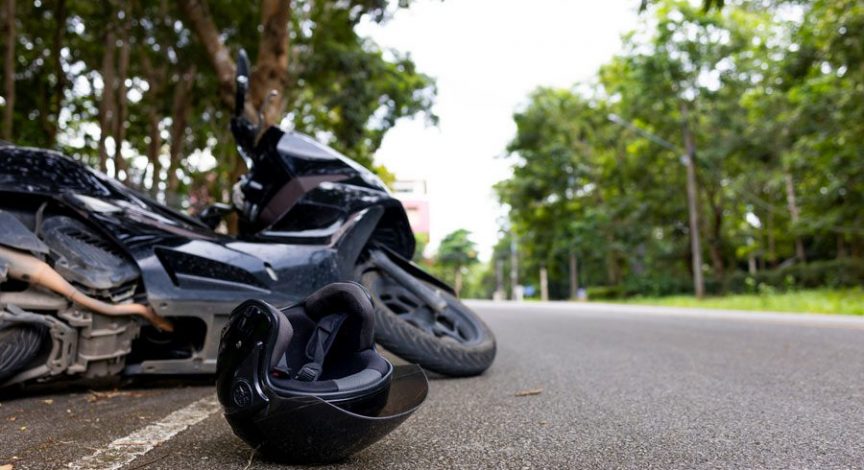
Motorcycle accidents often result in more serious injuries than collisions between passenger vehicles. A rider has little protection in a crash, and the consequences can be severe. When a motorcycle accident results from another party’s conduct, questions of responsibility and recovery arise much as they do in other injury cases, though with features specific to riding. Understanding these features helps injured riders make sense of their situations. The exposure a rider faces means these cases often involve serious harm and significant losses. Understanding the features specific to motorcycle claims helps injured riders make sense of their situations.
Why Rider Injuries Tend to Be Severe
A motorcycle offers little of the protection that surrounds occupants of a car. In a collision, a rider is exposed and can be thrown from the motorcycle, leading to injuries that are frequently serious. This vulnerability means that even a crash at moderate speed can cause significant harm. The severity of rider injuries shapes these cases, because the losses at stake, including medical needs and time away from work, are often substantial.
Common Causes of Motorcycle Collisions
Many motorcycle accidents result from the conduct of other drivers. A driver who fails to see a motorcycle, turns across its path, or follows too closely can cause a serious crash. Motorcycles are smaller and less visible than cars, and drivers who do not watch for them contribute to many collisions. Identifying how a crash occurred, and what another driver did or failed to do, is central to understanding responsibility in a motorcycle accident case.
Bias and the Rider’s Perspective
Riders sometimes face assumptions that they were at fault simply because they were on a motorcycle. This bias can affect how a crash is perceived, even when the rider was operating carefully and another party caused the collision. Being aware of this tendency helps injured riders understand why a clear presentation of the facts matters. Evidence that establishes what actually happened is important for countering assumptions that do not reflect the rider’s conduct.
Establishing Fault in a Motorcycle Case
Fault in a motorcycle accident is examined much as it is in other collisions, by asking whether a party acted with reasonable care. Physical evidence, witness accounts, and documentation of the scene all contribute to establishing what happened. Because riders may face unfair assumptions, thorough evidence is especially valuable. A well-documented account of the collision supports a fair assessment of fault, grounded in what occurred rather than in stereotypes about riders.
California’s Approach to Shared Fault
California follows pure comparative fault, which applies to motorcycle accident claims. If a rider is found partly responsible for a crash, the recovery is reduced by their percentage of fault rather than eliminated. This means a rider who shares some blame can still recover, with the amount adjusted accordingly. Understanding how comparative fault works helps injured riders set realistic expectations, particularly when the other side raises questions about the rider’s conduct.
Protective Gear and Its Role
Protective gear, including a helmet, can play a part in how a motorcycle case is viewed. The use of appropriate gear may bear on the nature of the injuries and, in some discussions, on questions of the rider’s conduct. At the same time, the responsibility of a driver who caused a collision does not disappear because of questions about gear. Understanding how protective gear may enter the analysis helps riders anticipate the issue. What remains central is how the collision occurred and who acted without reasonable care, with gear being one of several factors that may come up in the course of a case.
Understanding a Rider’s Situation
Motorcycle accident claims share the core principles of other injury cases while carrying distinctive features. The severity of rider injuries, the common causes of collisions, the potential for bias, and the role of comparative fault all shape these cases. Understanding these elements helps injured riders approach their situations with a clearer sense of what matters and why a careful, evidence-based account of the collision is so important.