
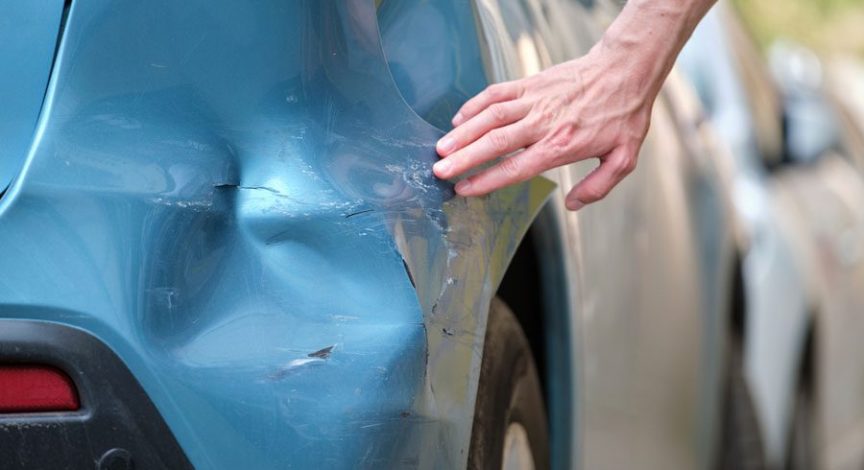
An accident is difficult enough when the responsible driver is insured and remains at the scene. When the other driver has no insurance or flees, the situation becomes more complicated. Injured people naturally wonder how they can address their losses when the at-fault driver cannot readily be pursued. Understanding the options available in these situations helps injured people see a path forward even when the responsible driver is uninsured or unidentified. These situations are more complicated than an ordinary accident, but options can still exist. Understanding them helps injured people see a path forward even when the responsible driver is hard to pursue.
The Challenge of an Uninsured Driver
When the driver responsible for an accident has no insurance, recovering for injuries becomes harder. Insurance is often the source from which losses are addressed, and its absence removes an obvious avenue. Pursuing an uninsured driver directly can be difficult, because such a driver may lack the resources to cover the losses. This challenge leads many injured people to look toward their own coverage as a potential source of protection in these situations.
Uninsured Motorist Coverage
Uninsured motorist coverage is a type of protection that can apply when the at-fault driver has no insurance. This coverage, part of an injured person’s own auto policy when it has been included, is designed for exactly these situations. It can provide a source of recovery when the responsible driver cannot. Understanding whether such coverage is part of a policy is important, because it can make a significant difference after an accident with an uninsured driver.
Hit-and-Run Situations
A hit-and-run accident, in which the responsible driver flees, presents a related challenge. When the driver cannot be identified, pursuing them directly is not possible. In these situations, uninsured motorist coverage may also come into play, because the effect is similar to an uninsured driver. Reporting the accident promptly and providing available information about the vehicle can be important. These steps help document the event even when the driver is unknown.
The Importance of Prompt Reporting
After an accident with an uninsured or fleeing driver, prompt reporting takes on added importance. Notifying law enforcement and documenting the circumstances create a record of the event. In a hit-and-run, any details about the vehicle, its direction, or its description can be valuable. Reporting promptly and preserving information supports the process of addressing the accident, particularly when the responsible driver cannot be readily identified or pursued.
Documenting the Accident
Thorough documentation is especially valuable when the responsible driver is uninsured or unknown. Photographs of the scene and any damage, notes about how the accident happened, and information from witnesses all help establish the event. When a claim may depend on an injured person’s own coverage, a clear record of the accident supports that process. Gathering this information early preserves the details that matter for addressing the accident.
Underinsured Driver Situations
A related challenge arises when the responsible driver has insurance, but not enough to address the injured person’s losses. In these underinsured situations, coverage from the at-fault driver may fall short of what the injuries require. Underinsured motorist coverage, when it is part of an injured person’s own policy, can help bridge this gap by providing additional protection. Understanding whether such coverage applies is important, because a serious injury can exceed the coverage a responsible driver carries. Recognizing that underinsured situations exist, alongside uninsured and hit-and-run scenarios, helps injured people understand the range of circumstances their own coverage may address.
Finding a Path Forward
An accident with an uninsured or hit-and-run driver is more complicated, but options can still exist. Uninsured motorist coverage, prompt reporting, and thorough documentation all play a role in addressing these situations. Understanding these avenues helps injured people see that a difficult accident, involving a driver who cannot readily be pursued, does not necessarily leave them without any path toward addressing their losses.