
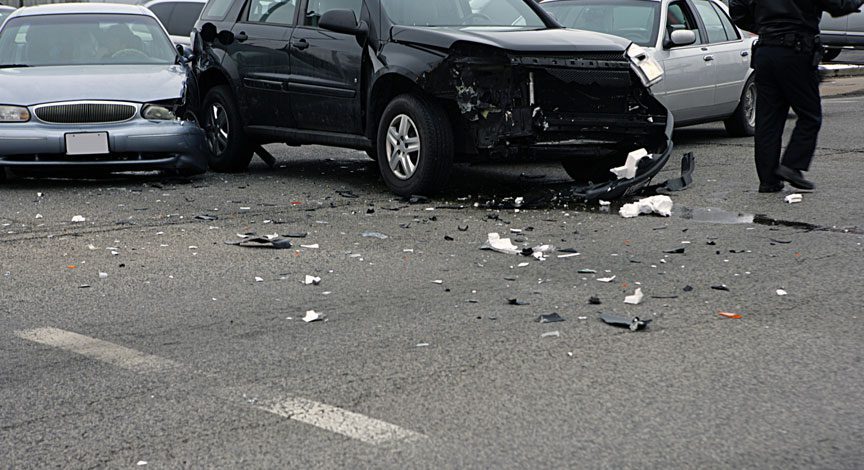
A multi-vehicle pileup is one of the most chaotic and complicated kinds of traffic accident. When many vehicles are involved in a chain of collisions, sorting out what happened and who bears responsibility becomes a real challenge. These crashes often involve a sequence of impacts and multiple contributing factors. Understanding how fault is determined in a multi-vehicle pileup helps injured people grasp why these cases are so complex and how responsibility can be divided.
Why Pileups Are So Complex
Multi-vehicle pileups involve a series of collisions among many vehicles, often unfolding in seconds. The chaos of the moment, the number of vehicles, and the chain of impacts make these crashes exceptionally complex. Determining the sequence of events, which collisions caused which damage, and how the pileup developed can be difficult. Because so many vehicles and drivers are involved, understanding what happened requires piecing together a complicated picture. This complexity is what sets multi-vehicle pileups apart from simpler collisions.
The Chain of Collisions
A pileup typically involves a chain of collisions, where one impact leads to another. A vehicle struck from behind may be pushed into the vehicle ahead, and so on through the chain. Understanding this sequence is important, because it affects how responsibility is assigned. Determining what initiated the chain, and how the subsequent collisions followed, is often central. Understanding that a pileup involves a chain of impacts helps clarify why establishing the sequence of events is so important to sorting out fault.
Multiple Drivers May Share Responsibility
In a multi-vehicle pileup, responsibility is often divided among several drivers. Different drivers may have contributed in different ways, whether by following too closely, driving too fast for conditions, or failing to react appropriately. California’s pure comparative fault approach allows responsibility to be divided among those who contributed, with each driver’s share reflecting their role. Understanding that multiple drivers may share responsibility helps clarify how fault is distributed in these complex crashes rather than resting on a single party.
The Role of Conditions
Pileups frequently occur in conditions that reduce visibility or traction, such as fog, rain, or ice. These conditions can contribute to a pileup by making it harder for drivers to see and stop. While conditions do not excuse unsafe driving, they form part of the context in which a pileup occurs. Understanding the role of conditions helps clarify how these crashes develop, as drivers who fail to adjust to the conditions can contribute to the chain of collisions that follows.
Evidence in a Pileup
Establishing fault in a multi-vehicle pileup depends heavily on evidence, given the complexity of these crashes. The positions and damage of the vehicles, the accounts of the many drivers and witnesses, any available footage, and physical evidence all help reconstruct the sequence. Because these crashes involve so many elements, thorough evidence is especially important. Gathering and preserving this information helps establish an accurate picture of how the pileup unfolded and how responsibility should be divided among those involved.
Sorting Out an Injured Person’s Position
For an injured person caught in a pileup, understanding their position can be difficult given the number of vehicles and the divided responsibility. Their own conduct may be examined alongside that of the other drivers. Because responsibility can be shared, the analysis considers how each party contributed. Understanding that a pileup involves sorting out the roles of many drivers helps an injured person grasp how their situation fits into the larger picture of a complex, multi-vehicle crash.
Understanding a Multi-Vehicle Pileup
Multi-vehicle pileups are among the most complex traffic accidents, involving a chain of collisions and often the shared responsibility of many drivers. Understanding why these crashes are so complicated, how the chain of collisions develops, and how fault can be divided helps injured people make sense of their situation. Establishing the sequence of events, and the role each driver played, stands at the center of sorting out responsibility in these chaotic crashes.