
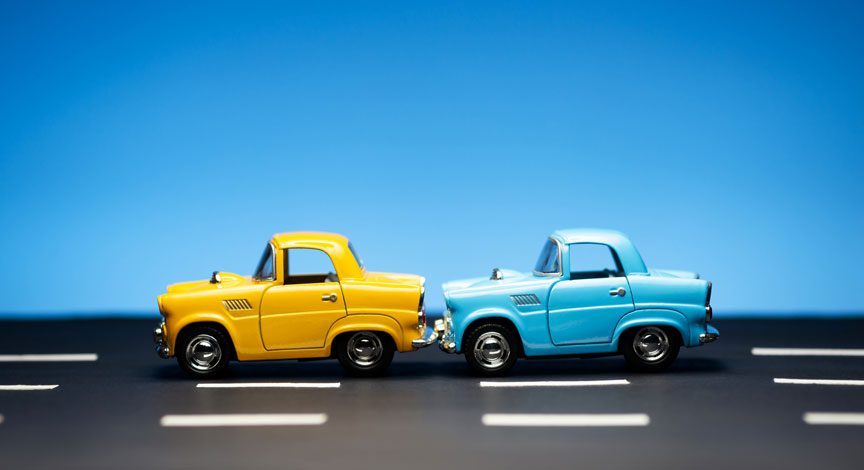
Rear-end collisions are among the most common traffic accidents, and they can cause real injuries even at lower speeds. Many people assume the driver in back is always at fault, and while that is often the case, the full picture can be more complicated. Understanding how fault is determined in a rear-end collision helps injured people see both why the following driver frequently bears responsibility and when the circumstances call for a closer look.
Why the Following Driver Often Bears Fault
Drivers are generally expected to leave enough space to stop safely and to pay attention to the traffic ahead. When a driver strikes the vehicle in front, it often suggests that the driver was following too closely, was not paying attention, or was traveling too fast for conditions. For these reasons, the following driver frequently bears responsibility in a rear-end collision. This common pattern reflects the duty every driver has to maintain a safe distance and to be prepared for the traffic ahead to slow or stop.
The Duty to Maintain a Safe Distance
A central expectation of safe driving is keeping enough distance to stop without striking the vehicle ahead. This safe following distance gives a driver time to react when traffic slows. A driver who follows too closely removes that margin, leaving no room to respond to a sudden stop. When a rear-end collision occurs, the question of whether the following driver maintained a safe distance is often central. This duty is a basic part of careful driving and frequently determines fault in these collisions.
When the Lead Driver May Share Fault
Although the following driver often bears fault, this is not always the whole story. In some situations, the lead driver may share responsibility. A driver who stops suddenly without reason, reverses unexpectedly, drives with broken brake lights, or behaves erratically may contribute to a collision. These situations are less common, but they show that fault in a rear-end collision is not automatic. Understanding that the lead driver’s conduct can sometimes matter helps clarify why the circumstances of each collision deserve examination.
Multiple-Vehicle Rear-End Collisions
Rear-end collisions sometimes involve more than two vehicles, as one impact pushes a vehicle into another. These chain-reaction collisions can make fault more complicated, because the sequence of impacts matters. Determining which driver initiated the chain, and how the collisions unfolded, becomes important. Understanding that a multiple-vehicle rear-end collision involves sorting out a sequence of events helps clarify why these situations require a closer look at how the collision developed and who set it in motion.
The Injuries These Collisions Cause
Rear-end collisions can cause significant injuries, even at lower speeds. Neck and back injuries are common, as the sudden impact can strain the body. Other injuries can result as well, and symptoms sometimes appear after the collision rather than immediately. Because the injuries are not always apparent at first, a medical evaluation is important. Documenting the injuries and connecting them to the collision helps establish their scope. Understanding that these collisions can cause real harm underscores the importance of proper medical attention.
Evidence in a Rear-End Collision
Establishing fault in a rear-end collision depends on evidence about how it occurred. The position and damage of the vehicles, the accounts of those involved, witness statements, and any available footage all help clarify what happened. Because most rear-end collisions follow a familiar pattern, the evidence often supports the following driver’s responsibility, but it can also reveal when the circumstances were different. Gathering this information helps establish an accurate picture of the collision and who bears responsibility.
Understanding Fault in a Rear-End Collision
Fault in a rear-end collision often falls on the following driver, reflecting the duty to maintain a safe distance and pay attention to the traffic ahead. Understanding why this is the common pattern, along with the situations where the lead driver may share fault or multiple vehicles are involved, helps injured people make sense of their situation. While the following driver frequently bears responsibility, the circumstances of each collision still deserve a careful look.